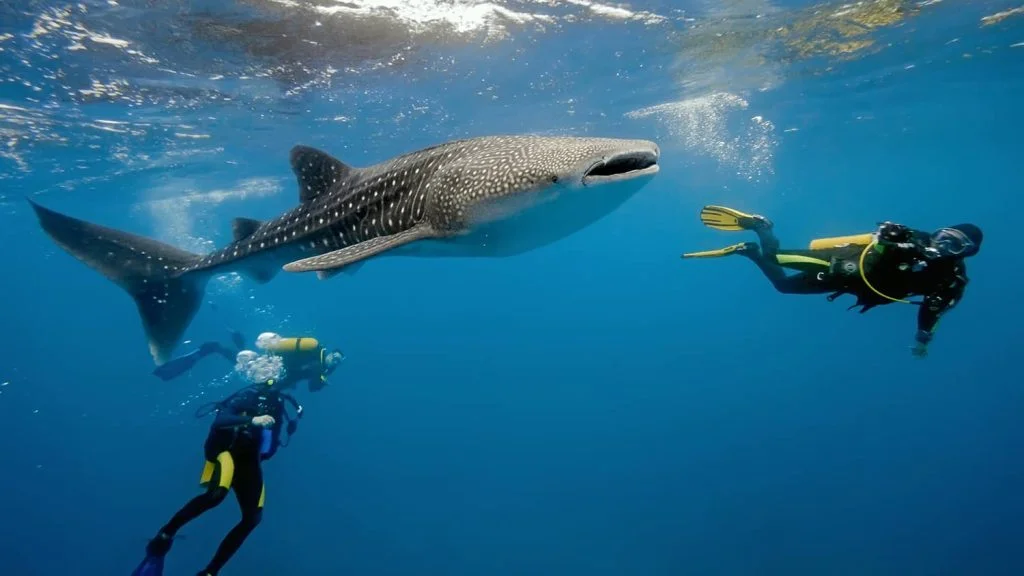
I didn’t fully understand what responsible marine tourism meant until I found myself face to face with a whale shark off the coast of Sumbawa. There I was, floating in the blue waters of Saleh Bay, watching a massive dotted creature glide by as calmly as a passing cloud. The boat engine was silent. No one spoke. No one splashed. Everyone gave space.
And in that quiet moment, it was clear—this wasn’t just an adventure. This was a privilege.
When people talk about ethical travel or sustainable wildlife experiences, it can sometimes feel abstract. But in the ocean, especially around whale sharks, it becomes real very quickly. How we act, what kind of tours we choose, and whether or not we respect boundaries—all of it matters.
Especially in places like Sumbawa, where sumbawa whale shark ethical practices are becoming a leading example of how tourism can be both meaningful and protective.
Whale Sharks Deserve More Than Just Our Admiration
These creatures are truly something else.
Whale sharks are the largest fish on Earth, yet they move with such grace and calmness. Unlike predators, they are filter feeders—feeding on plankton and small fish—cruising the ocean in search of seasonal nutrients. Despite their size, they’re completely harmless.
And that makes them vulnerable.
Because they’re gentle and curious, they sometimes get too close to boats. Because they return to the same places seasonally, they can be targeted. And because tourists love the idea of swimming with them, demand can quickly lead to overcrowding, harmful behavior, and even exploitation.
That’s where ethics come in.
What Not to Do: A Glimpse into Irresponsible Tourism
Let’s be honest—some operators around the world cut corners. Whale sharks are chased. They’re fed unnaturally to keep them around longer. Tourists are allowed to touch them or get too close.
I once overheard a traveler from another region say, “It’s fine, everyone touches them!” My stomach turned. It’s not fine. Whale sharks have a sensitive layer of skin that can be easily damaged. Physical contact can cause stress, infection, or change their natural behavior.
Feeding them changes their migration. Loud engines disrupt their communication. Crowding them disrupts their rhythm.
This isn’t a zoo. This is their ocean.
What Ethical Whale Shark Tourism Actually Looks Like
In Sumbawa, the approach is refreshingly different.
When I joined a local tour to see the whale sharks of Saleh Bay, the first thing the guide did wasn’t hand out fins—it was gather everyone for a briefing. We learned about safe distances, no-touch rules, entry methods into the water, and how to float without chasing.
They emphasized observing—not interacting. Respect—not entertainment.
The boat was small. There was no rush. The guide even reminded us that if we didn’t see any whale sharks, that would be okay. They don’t control nature here. They just witness it, gently.
That kind of mindset makes all the difference.
Sumbawa whale shark ethical tourism follows community-centered principles. It supports local fishermen, respects traditional fishing methods (like the bagan), and operates within the rhythms of the animals—not against them.
How Sumbawa’s Model Supports the Ocean and the People
The Saleh Bay area is unique not just because of its whale sharks, but because of the people who live there.
Local fishermen have known about the presence of these animals for decades. They interact with them unintentionally—whale sharks are often drawn to leftover baitfish around the bagan platforms. But instead of exploiting this, the community has been trained to protect the species.
Many tours now work with these fishermen. Instead of excluding them, the model integrates local knowledge, income, and conservation education.
That means when you book a responsible whale shark experience in Sumbawa, you’re doing more than seeing wildlife—you’re empowering a local economy built on sustainability.
Small Choices That Make a Big Difference
Here are some of the key indicators that you’re supporting responsible tourism:
- Group Size Matters: Smaller groups mean less disturbance, more peace, and a higher chance for natural behavior.
- No Feeding Policies: Wild animals should find their own food. Anything else disrupts their migration and diet.
- Certified Local Guides: Choose operators that provide training to their team—not just about safety, but conservation too.
- Environmental Briefings: If your tour doesn’t give you a proper code of conduct, that’s a red flag.
- Respecting Distance and Depth: Ethical encounters never involve chasing or diving too close. The best moments come from patience.
And yes—if no whale sharks show up, a good operator won’t try to force it. Sometimes, the ocean has other plans. That’s part of what makes it wild.
The Emotional Impact of Respectful Encounters
There’s something deeply emotional about seeing a whale shark swim naturally, unbothered by human presence.
You feel it when you’re just floating, watching from a respectful distance. The size. The silence. The slow sweep of its tail. You realize that this is how it should be—animals in their habitat, doing their thing, while we respectfully observe.
I left the water that day with more than a story. I left with a shift in perspective.
Responsible travel isn’t about getting more. It’s about giving back. About knowing that your presence didn’t leave a scar, but maybe left a ripple of awareness behind.
Why Saleh Bay Stands Out
I’ve been to several places in Southeast Asia for wildlife tours, but Saleh Bay in Sumbawa stands out for a few reasons:
- Low impact, high education – Every step of the tour is handled with care.
- Community-driven efforts – Locals are involved and benefit directly.
- Wild, not staged – Encounters happen naturally. There’s no feeding or chasing.
- Calm environment – With fewer tourists, the vibe stays peaceful.
- Conservation at the core – These aren’t side efforts. They’re embedded in how the business runs.
That’s the kind of tourism that’s not only sustainable, but transformational.
How You Can Be a Part of the Solution
If you’ve ever dreamed of swimming with a whale shark, that dream doesn’t have to come at the cost of their wellbeing. You can make conscious decisions:
- Support operators who follow marine codes of conduct
- Ask questions about group size, animal safety, and local benefit
- Choose experiences that work with—not around—nature
- Share your experience to inspire others to travel responsibly
When people return from an ethical encounter and share what they learned, it creates a ripple effect that goes beyond tourism. It becomes education, awareness, and advocacy.
You don’t need to be a marine biologist to protect the ocean. You just need to show up with the right attitude.
Responsible tourism means more than avoiding harm. It means creating benefit—for the animals, for the ecosystem, and for the communities who call these waters home.
And that’s what makes your encounter something worth remembering. Not just because you saw a whale shark, but because you respected one.